EMPOWERING RESOURCES FOR GROWTH AND PEACE
Explore tools and insights to deepen faith, build confidence, and cultivate a mindful, Christ-centered life
Free Guide for Reactive Moms

Maybe you’ve heard the term “mom-rage” and cringed. It’s ok, we’ve all been there.
You don’t snap because you’re ungodly.
You snap because you’re overstimulated.
And no one taught you how your nervous system works.
This free guide will help you:
• Understand why reactions happen so fast
• Recognize the trigger before it escalates
• Take one small pause that stops the shame spiral
A gentle, faith-rooted guide for Christian moms who feel like spiritual imposters after they lose their patience.

The 4-R Reset for Moms
Reveal. Restore. Renew. Reconnect.
The 4-R Reset™ is a practical, faith-rooted process to help you catch yourself in the moment — before frustration turns into regret.
Through simple teaching, guided reflection, and embodied practices, you’ll learn what’s happening beneath your reactions and how to move through triggers without losing connection to your values, your faith, or your family.
This reset is designed to be used in real life — not just in theory — so you can return to it again and again as you grow in awareness, steadiness, and grace.

Meditation
A Journey to Self-Love
"Meditation is the act of falling in love with yourself." This idea transformed my view of meditation. It's a journey from the mind to the heart, offering comfort to the soul like a warm blanket or a gentle touch.
Meditation isn't about sitting cross-legged and chanting “OM”—it’s a personal practice that can take many forms. You can sit, stand, lie down, chant, or simply breathe. The key is to find what lights up your soul and brings peace without expectations.
Meditation invites you to connect deeply with yourself and others, quiet the mind, and heal from within. It’s about embracing unconditional love for yourself and all beings. Explore guided meditations with me on Insight Timer and discover a practice that resonates with you. Your journey to inner peace and self-love starts here.
What is meditation?
While meditation does tend to focus your thoughts on a specific story, imagery, mantra, or word, it differs from mindfulness in that it does not always bring your mind to the present moment.
Like mindfulness, meditation requires both action and practice. When thinking of meditation, you may envision an image of a person sitting cross-legged on a cushion, hands resting on the knees, fingers in a mudra, and mouth chanting “OM” repeatedly. If this image makes you sick with nausea, anxiety, and self-doubt, you are not alone. Indeed, this is one way to practice meditation, but it is not the only way.
Meditation can be unique to each individual. You can lie down, stand up, or truly find any comfortable posture. You can chant, imagine, focus on a candle, or even move or not do these things.
Meditation should light up the soul, allowing you to notice thoughts, feelings, and emotions without any expectations. Practicing meditation allows for emotional and mental stability and peace.
In our time together, I will encourage you to practice meditation independently by listening to guided meditations. I may suggest we practice meditation together, in which case, I will lead you through guided meditation, or we will listen to one.
Practicing meditation has many benefits.
The benefits of practicing meditation are endless. Meditation can help you connect with others, yourself, and your community. It can improve focus, quiet the inner critic, reduce stress levels, heal your past, and more.
In addition, practicing meditation with others provides accountability, spiritual support, and the power of shared experiences.
Regardless of your unique practice, finding what works for you is important. And, if you hate it, you are in no way required to do it. But I recommend giving various techniques a try before negating it entirely.
What makes mindfulness useful?
Research has shown that mindfulness can increase gratitude, bring someone out of intense depression or anxiety, connect a person to their most essential self, and even move them into self-actualization.
Arguably so, practice in a quiet place with little distraction might make mindfulness easier, especially at first. However, one of the most effective mindfulness traits is the person’s ability to practice at any time. There is not anything specific that needs to happen to practice.
Working with a trained practitioner who practices mindfulness is a partnership in finding what works best for you as an individual.
In our practice together, you will receive options and be able to discuss your internal and external responses to mindfulness techniques candidly.
Mindfulness
The Power of Present Awareness
Jon Kabat-Zinn, the renowned meditation teacher, says, “Mindfulness is the awareness that arises through paying attention, on purpose, in the present moment, nonjudgmentally.”
Intentionally bringing the mind to the present moment, over and over, takes patience and commitment.
Mindfulness is not the absence of thought. Instead, it is the quieting of thoughts through specific internal action, sometimes utilizing the partnership of external action, for instance, touching a soft blanket and noticing the sensation.
Becoming more aware is a journey that requires continuous action.
No one ever truly arrives at the present and remains there. It’s a unique journey that requires practicing awareness.
Mindfulness is the journey from past to present or the future to the present. Mindfulness is an awareness of worry and stresses, teetering into anxiety, sadness, and isolation, moving toward depression, and an awareness of thoughts and simultaneously allowing them to drift onward.
Mindfulness can be abrupt or slow-moving, but mindfulness is never judgmental and always accepting. The more you do it, the better you’ll get at it, and the more aware you’ll be of the mind and the body.
Try a mindfulness technique now.
If you’d like to try a simple mindfulness technique now, I invite you to tune into the senses.
First, try closing your eyes and listening to the sounds surrounding you, starting with sounds closest to you and then outward. Name each sound one at a time, isolating each sound in your mind’s eye.
As thoughts begin to wander off, bring the mind back to your focus on listening to distinct sounds. Now, try opening your eyes and noticing objects closest to you; name each one, color, and shape, breaking down each aspect as much as possible. Again, as thoughts wander, notice and bring them back to the objects around you.
Now, notice that your thoughts become focused on what you hear and see around you. These sounds and sights represent the present moment, and this is mindfulness. When the mind focuses on the present moment, it is impossible to be thinking of past regrets or worried about possible future events. Thoughts begin to dissipate completely.
However, if the mind becomes judgmental during your practice, you are no longer practicing mindfulness. You are practicing judgment.
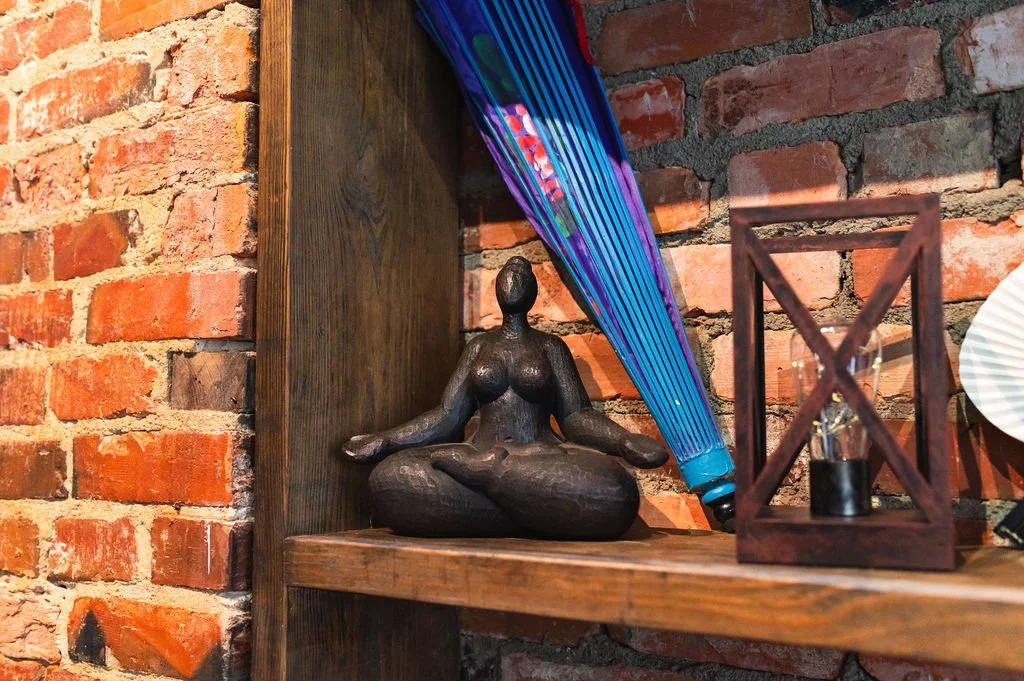
Mindfulness takes practice.
Suppose you got a little frustrated doing the exercise, no worries. It’s normal. Trying something new often generates frustration due to challenges.
The more you practice, the more effortless mindfulness gets.
It’s just like when you go to the gym. You cannot expect to be able to lift the heaviest weight on the first day. Or, if you stop going to the gym for a month and return to doing the same gym routine later, your muscles will have loosened and lost some strength.
Practice makes progress.
Self Confidence Strength in Believing You Can
"Walk inside your story and own it."— Brené Brown—because it is a story authored and redeemed by God. Your worth is not fragile, built on performance or fleeting circumstances; it is securely grounded in the unchanging truth of who Christ is and the price He paid for you.
Confidence isn't about being fearless; it's about embracing fear and moving forward anyway, knowing that the Spirit of God is your strength (2 Timothy 1:7). Whether you are stepping into a demanding calling, facing a daunting challenge, or rising after a significant stumble, confidence is a choice you make to trust God's faithfulness in that moment.
True confidence flows from within, built not on self-sufficiency, but on the unwavering conviction of your identity in Christ. This foundation liberates you to move with courage and self-awareness—not about avoiding failure, but being willing to surrender the outcome, face the lesson, and grow through it. When we work together, we will transform insecurities into opportunities to witness God's power and develop the skills to move through fear, confident in who He created you to be.
Ready to live boldly and fully embrace the priceless worth you have in Christ? Let's walk this path to Christ-centered confidence together.


Faith & Anxiety Can Coexist
You trust in God and the Holy Spirit, but your anxiety remains. Well-meaning advice like “Stay in the Word” or “The Lord is your strength” can sometimes leave you feeling more disconnected and alone.
Faith is powerful, but life is complicated. You are human, and Christ loves every part of you—even the parts that feel lost or anxious. He isn't asking for perfection; He’s inviting you to seek healing. Sometimes, healing requires more than verses—it calls for deeper understanding and compassionate support
Events & Workshops
Wellness Workshops or Collaborative Retreats
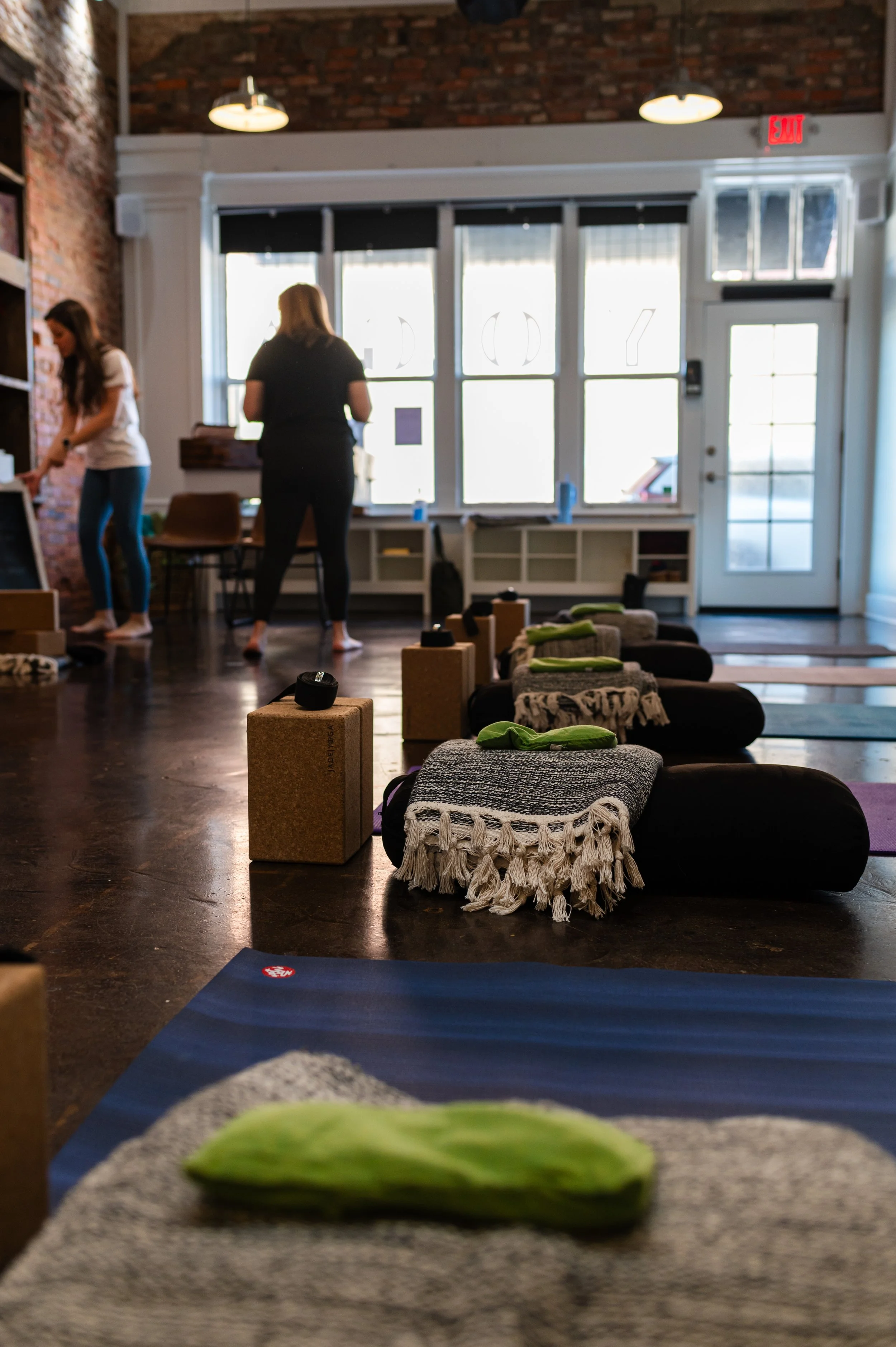
These workshops and retreats include a combination of art therapy and/or consulting, yoga, and meditation. These can be held at any location of your choosing, depending on travel arrangements etc.
Stand-alone workshops offered through Wholly Beautiful provide profound insight for groups of people with the same or similar goals in mind. Similarly, Wholly Beautiful also collaborates to offer wellness options to organizational and company retreats.
The design of workshops and collaborations is to cater to the needs of your group, company, organization, or brand. Ensuring your satisfaction, I offer free consultations to discuss any specifications based on your group needs.
Schedule Your Appointment
or Special Event Today!

Scheduled Workshops
We have options to schedule personal, group, or professional events with your organization or company. Please inquire to find out more.

Small Groups
Small group rates are available upon request. We work alongside small businesses, organizations, and churches to plan focused groups to match the needs of your special event. These special events take place at your desired location.